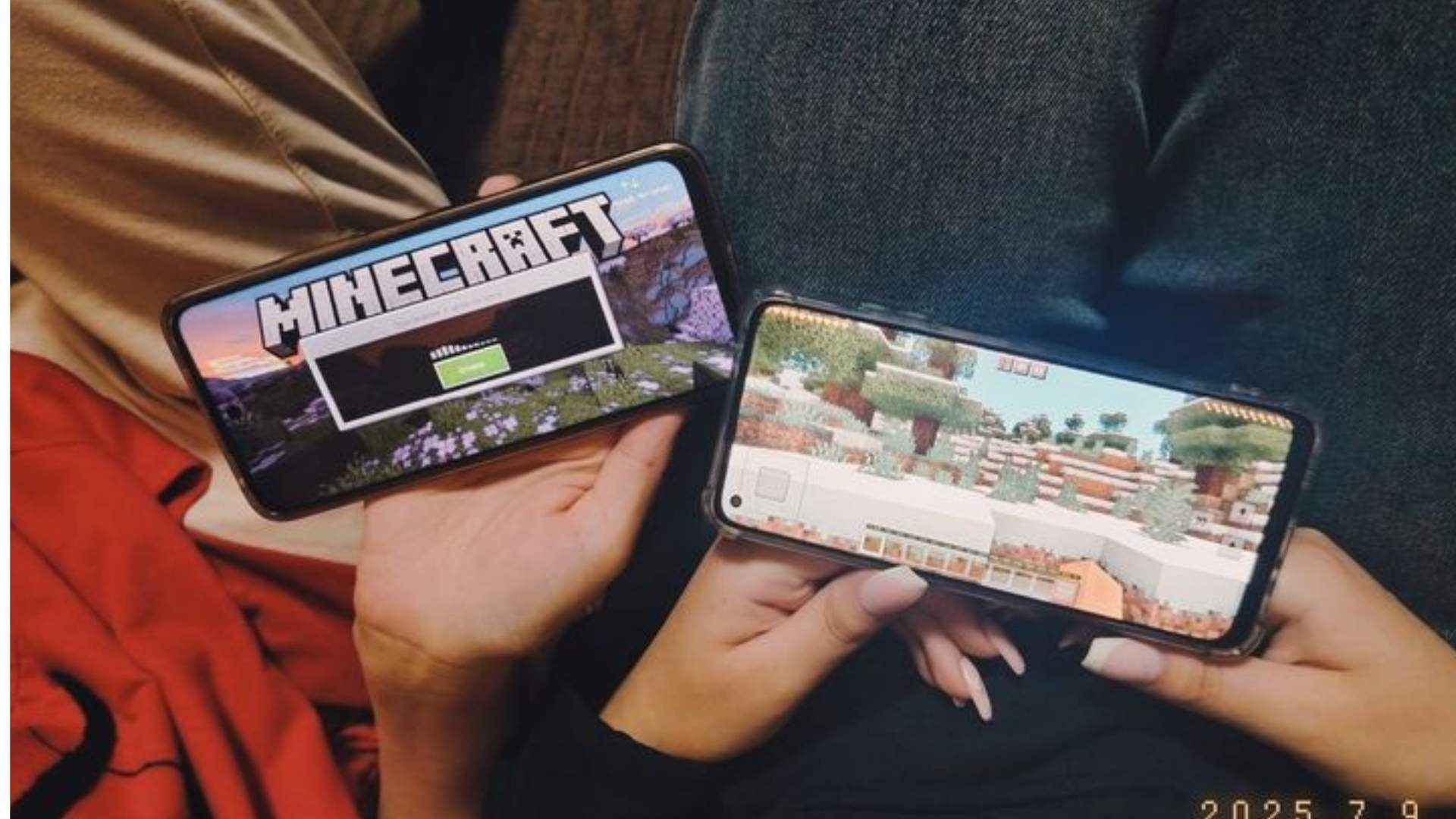
The global gaming scene has shifted heavily toward interactive environments that demand split-second coordination among participants. Rather than relying entirely on individual mechanical skills, modern titles force groups to sync their movements to achieve success. This ongoing evolution has completely redefined the way players approach online multiplayer challenges.
The Evolution of Shared Virtual Environments
Early cooperative games often allowed individuals to pursue separate goals on the same map without significant overlap. Today, contemporary game design heavily prioritizes active team identification and integrated mechanics. Teams must develop shared mental models to effectively counter unpredictable obstacles in real time.
When high-performance strategies are required, communication becomes the primary tool for survival. Failing to synchronize actions can result in a collective team collapse during high-stakes matches. Therefore, understanding the distinct roles within a squad is vital for maintaining consistent performance.
Synchronized Mechanics in High-Octane Matches
Action-driven titles rely heavily on overlapping mechanics like complementary character abilities and spatial positioning. For instance, one player might suppress an enemy advance while another executes a flanking maneuver. This level of tactical depth transforms basic combat into a highly sophisticated exercise in collective decision-making.
To follow the latest industry developments and sports analysis, checking trusted resources like Mansion Sports can provide deeper insights into competitive dynamics. Staying informed allows communities to adapt to new operational standards and shifting gameplay metas. Ultimately, these fast-paced environments reward continuous practice and analytical thinking.
Building Human Relationships Through Play
Beyond the mechanical thrill, cooperative gaming environments serve as powerful spaces for building lasting human relationships. Working together toward a common objective creates strong bonds of trust and mutual reliability. The shared victories and defeats experienced online often translate into meaningful social connections outside the digital arena.
As developers continue to refine persuasive design frameworks, the focus on healthy collaboration will likely grow. Future titles are expected to introduce even more intricate forms of cooperation to engage diverse players. This ensures that the landscape remains both challenging and socially rewarding for years to come.